Commissioning 22 Jan 2026 7 min
How to read your commissioning report.
The one-page sheet we leave on the fridge has seven readings on it. Here is what each one means, what its target is, and what to do if a number ever drifts.
By Sam Ortega
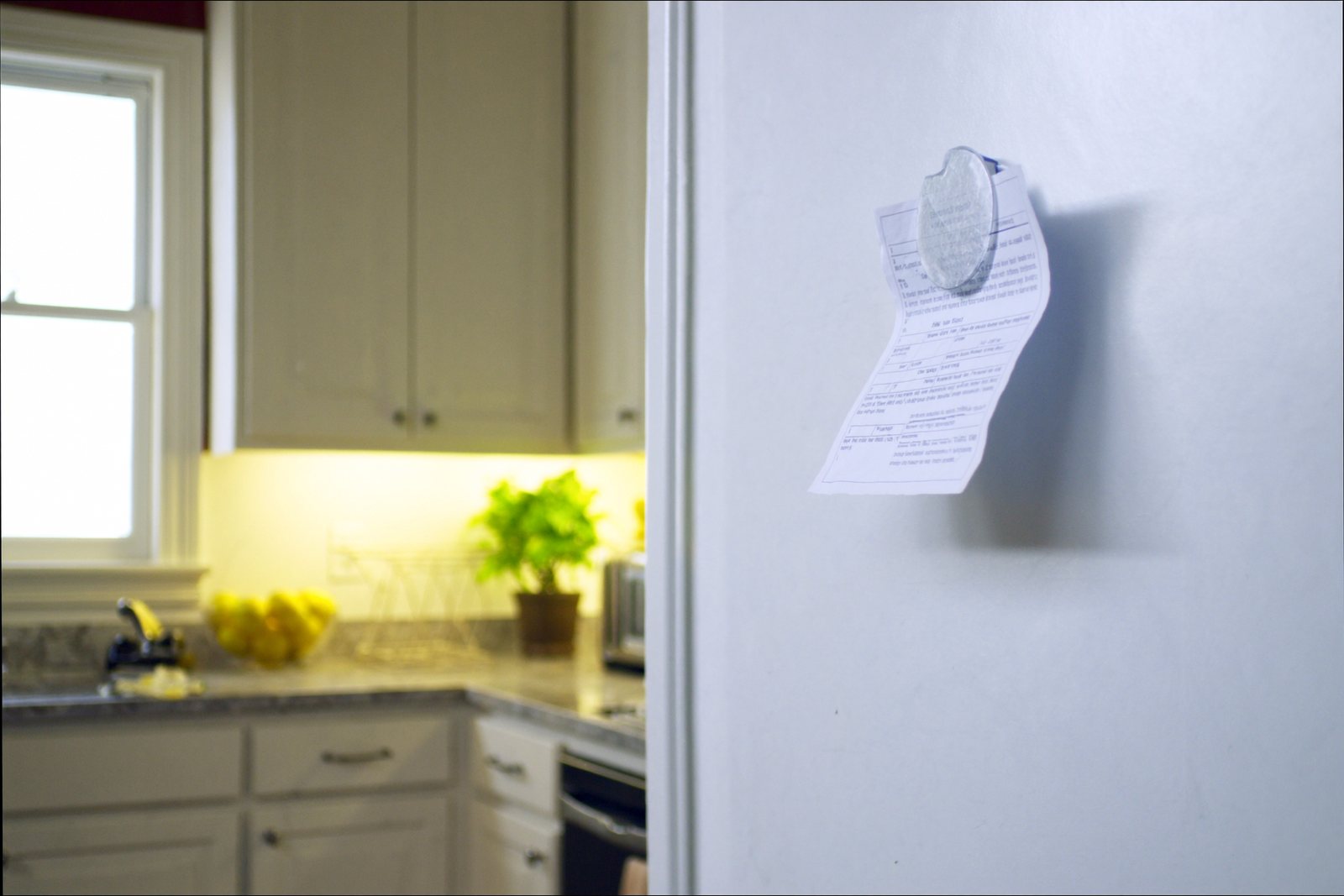
When the crew leaves, a single printed page stays behind on your fridge. It is signed, it is dated, and it has seven measurements on it beside the manufacturer’s target for each. This is how to read it.
Total external static pressure
The resistance the blower works against, in inches of water column. Target is at or below the equipment rating, usually 0.50. If a future technician measures it well above this, the first suspects are a clogged filter or a closed damper — not the equipment.
Temperature split, heating and cooling
The difference between the air going into the handler and the air coming out. In heating on a heat pump we look for roughly 22–30°F; in cooling, 16–21°F. A split that has narrowed a lot since commissioning usually means low airflow or low charge; a split that has widened in cooling can mean the coil is icing.
Refrigerant charge
We charge to the nameplate weight, adjusted for line length, and record the pounds and ounces. There is no “topping up” in a sealed system: if the charge ever needs adding, there is a leak, and the report tells the next technician exactly how much was in it on day one.
Subcool and superheat
Two temperature readings that confirm the charge from the inside. The target depends on the equipment and the outdoor temperature at the time; we write both the reading and the target as they were that day. Together with the charge by weight, these are what make the parts warranty enforceable — a manufacturer will ask for them.
Compressor amp draw
How hard the compressor is working, against its rated load amps. A reading creeping toward the rating over the years is an early warning worth a call.
Airflow at the handler
Cubic feet per minute, measured with a flow hood or calculated from the blower table. Target is about 400 CFM per ton of cooling, within ten percent. This is the number the static pressure reading protects.
If a number drifts
- Check the filter. Replace it if you cannot see light through it.
- Walk the house and make sure every supply register is open.
- Call us with the report in front of you. A Kelvin Care member gets the visit at no diagnostic fee; everyone else pays $189, credited against any repair.
Keep the page. Photograph it. It is worth more to the next owner of your house than the receipt.